



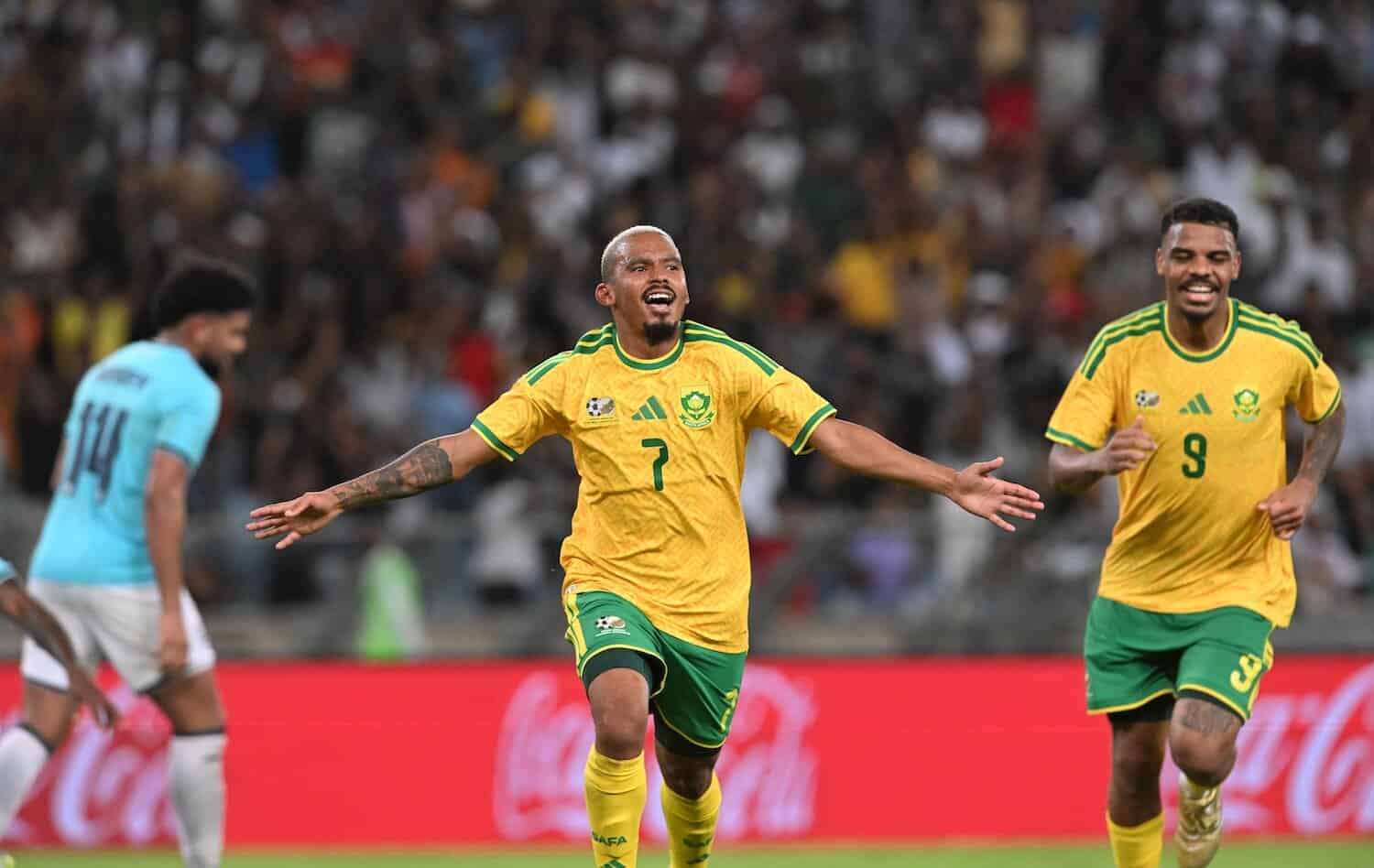
South Africa’s national team, Bafana Bafana, were forced to settle for a 1-1 draw against the Panama national football team in an international friendly played at the iconic Moses Mabhida Stadium on 27 March 2026.
The match formed part of preparations for upcoming competitive fixtures, with head coach Hugo Broos using the encounter to assess combinations, test squad depth and sharpen match fitness. While the result may not have been decisive, the performance offered valuable insights into where the team currently stands.
Slow start punished by Panama
Bafana began the match with intent but struggled to impose themselves in the early stages. Panama looked more settled in possession and capitalised on a defensive lapse midway through the first half.
It was Yoel Bárcenas who gave the visitors the lead, finishing confidently after South Africa failed to clear their lines. The goal exposed a moment of hesitation at the back and underlined a recurring issue for Bafana when facing organised opposition.
Panama’s early advantage allowed them to dictate the tempo, slowing the game down and forcing South Africa to chase. Despite enjoying spells of possession, Bafana lacked the cutting edge in the final third during the opening 45 minutes.
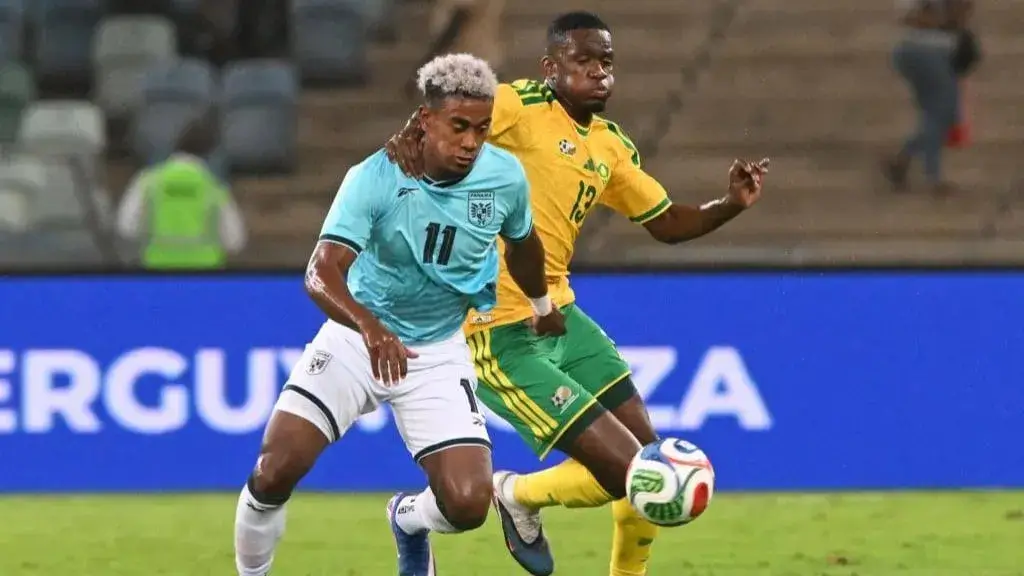
Second half response shows character
The second half told a different story. Broos’ side emerged with greater urgency and purpose, pushing higher up the pitch and committing more bodies forward. The increased intensity quickly paid off.
Oswin Appollis drew South Africa level shortly after the restart, finishing a well worked move that reflected the team’s improved cohesion. The goal injected energy into the stadium and shifted momentum firmly in Bafana’s favour.
From that point on, South Africa controlled large portions of the game. Their midfield began to assert dominance, recycling possession effectively and probing for openings. The wide players stretched Panama’s defence, while the full backs pushed forward to support attacks.
Missed chances prove costly
Despite their dominance in the second half, Bafana were unable to convert pressure into a winning goal. Several promising opportunities went begging, with the final pass or finish lacking precision.
The inability to capitalise on chances remains one of the key concerns for Broos. While the build up play showed clear improvement, the absence of clinical finishing meant South Africa had to settle for a draw in a match they arguably should have won.
Panama, for their part, defended resolutely in the closing stages. They absorbed pressure, remained compact and limited clear cut chances, demonstrating the discipline that had given them the first half advantage.
Tactical positives for Broos
There were, however, clear positives to take from the performance. The second half display highlighted Bafana’s ability to adapt and respond under pressure. The team showed resilience, improved structure and a willingness to take control of the game.
Broos will also be encouraged by the contributions of players like Appollis, whose impact in the attacking third continues to grow. His goal and overall performance reinforced his importance within the squad as South Africa looks to build a consistent attacking identity.
The midfield balance, particularly in the second half, offered a glimpse of what the team can achieve when rhythm and spacing are right. Quick ball circulation and positional discipline allowed Bafana to sustain attacks and keep Panama pinned back.
A work in progress
Ultimately, the 1-1 draw reflects a team still in development. Bafana showed both vulnerability and promise across the 90 minutes, with the contrast between the two halves illustrating the fine margins at international level.
For Broos, the focus will now shift to refining the team’s defensive concentration and improving efficiency in front of goal. The foundations are visible, but consistency remains the next step.
As preparations continue, matches like this serve a crucial purpose. They expose weaknesses, highlight strengths and provide the platform for growth. Against Panama, Bafana Bafana did enough to show progress but also enough to remind themselves that there is still work to be done.