



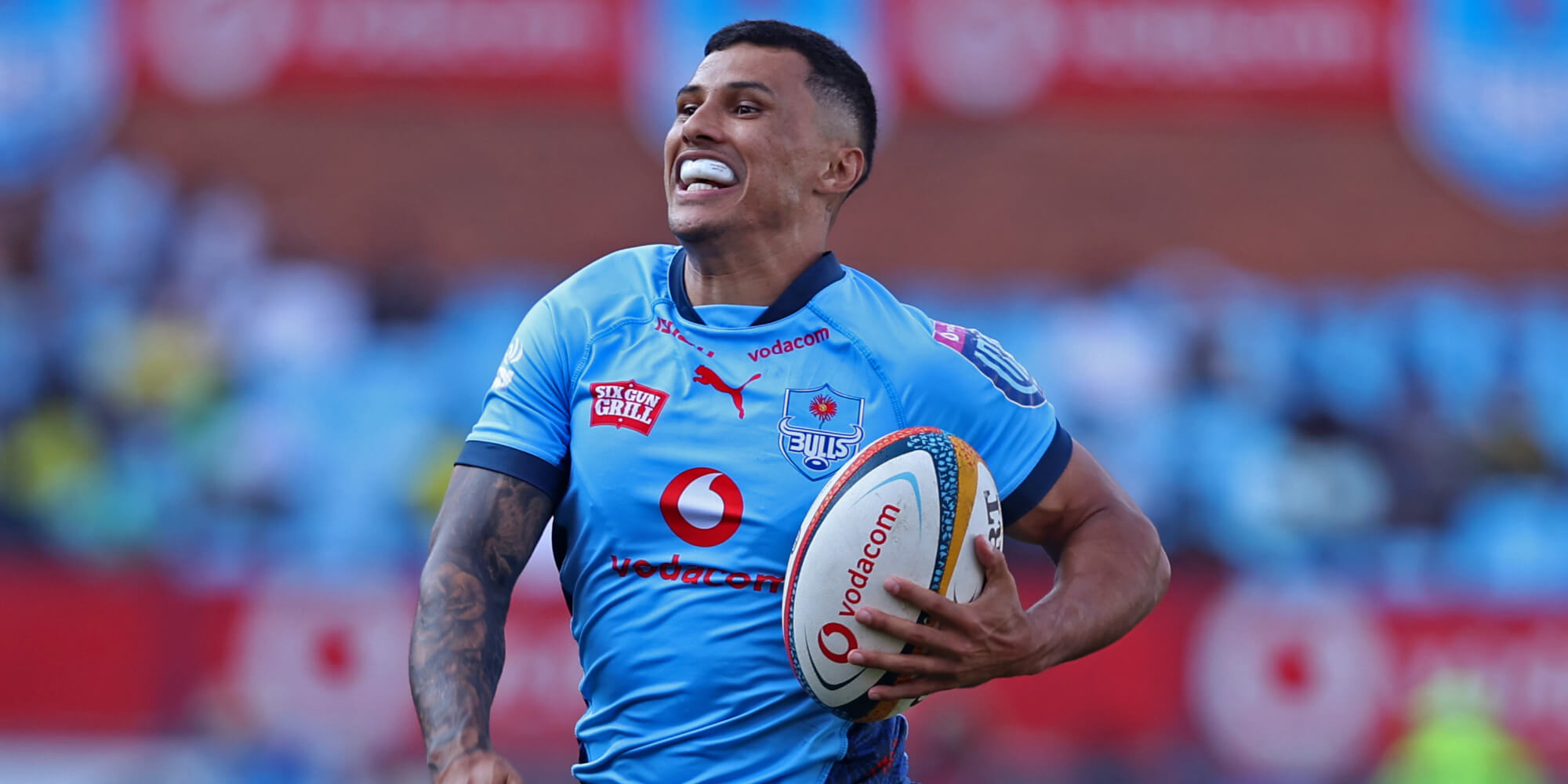
A Pillar of South African Rugby
The Vodacom Bulls stand among the most iconic teams in South African rugby, representing a proud tradition built on power, discipline and a fierce competitive spirit. Based in Pretoria, the country’s administrative capital, the Bulls have long been a dominant force in domestic and international competitions. For decades, the franchise has embodied a brand of rugby defined by physicality and big-match temperament.
From Currie Cup clashes to high-profile United Rugby Championship fixtures, the Bulls carry a reputation that extends far beyond Pretoria. Teams arriving at their home ground know they face a formidable challenge, particularly when the Bulls are in top form. Their identity has been forged through relentless forward play, tactical intelligence and the ability to rise in decisive moments. When conversations turn to the heritage of South African rugby, the Bulls are always part of the story.
Identity Rooted in the Blue Bulls Legacy
The professional Bulls franchise is closely tied to the historic Blue Bulls rugby structures. Originally established through the Northern Transvaal Rugby Union in 1938, the team became widely known as the Bulls during rugby’s professional era. Their blue and white colours have become instantly recognisable across the rugby world.
Over the years, the Bulls brand has grown into one of the most respected in South African sport. While the name Vodacom Bulls reflects the commercial partnership associated with the professional team, the identity of “Die Blou Bulle” remains deeply embedded in Pretoria’s rugby culture.
Fortress Loftus Versfeld
Few stadiums in South African rugby command as much respect as Loftus Versfeld Stadium. Situated in Pretoria and capable of hosting around 50,000 spectators, Loftus has long served as the Bulls’ home ground and one of the most intimidating venues in the country.
Although it sits slightly lower than other Highveld venues, the combination of warm conditions, dry air and passionate supporters creates a challenging environment for visiting teams. Matchdays at Loftus are an event in themselves. Blue jerseys dominate the stands, brass bands echo through the stadium and the atmosphere builds into a wall of sound that pushes the home side forward.
The stadium has witnessed numerous historic moments, including Currie Cup finals, major Super Rugby encounters and international Test matches. For many players, securing a victory at Loftus is regarded as a significant achievement, while for Bulls supporters it represents the heart of Pretoria rugby.
From Northern Transvaal Roots to Global Competition
The origins of the Bulls trace back to the formation of the Northern Transvaal Rugby Union in 1938. Early teams from the region quickly gained a reputation for producing tough, forward-oriented rugby suited to the conditions of the Highveld. By the 1960s and 1970s, Northern Transvaal had already established itself as one of the dominant forces in the Currie Cup.
The arrival of professionalism transformed the landscape of the sport. When South African rugby reorganised in the late 1990s and early 2000s, the Bulls franchise emerged to represent the region in Super Rugby. It was during this period that the team’s identity truly crystallised, combining powerful forward play with intelligent game management.
The late 2000s marked a golden era for the franchise. Under the guidance of coach Heyneke Meyer and powered by a core of Springbok stars, the Bulls achieved remarkable success. They captured three Super Rugby titles in 2007, 2009 and 2010, firmly establishing Pretoria as one of the strongest rugby centres in the southern hemisphere.
Like all major teams, the Bulls have faced periods of rebuilding. Changes in coaching staff, player departures to overseas clubs and the shift away from Super Rugby forced the franchise to adapt. However, the team has shown resilience by embracing new challenges in the United Rugby Championship, where they have remained competitive against European opposition.
A Trophy Cabinet Built on Success
Success has been a constant theme in the Bulls’ history. Their Super Rugby triumphs during the late 2000s remain some of the most celebrated achievements in South African provincial rugby. Alongside these international victories, the broader Blue Bulls structures have claimed numerous Currie Cup titles, cementing their place as one of the competition’s most successful unions.
In the United Rugby Championship era, the Bulls have continued to demonstrate their strength by regularly reaching the knockout stages and competing for major honours.
The Bulls Way of Playing
The style of play associated with the Bulls has remained largely consistent over the years. Their approach centres on forward dominance, a powerful scrum and direct ball carrying. Tactical kicking and strong game management are key components of their strategy, allowing them to control territory and apply relentless pressure.
While modern rugby has encouraged the team to expand their attacking options and utilise pace in the backline, the core philosophy remains unchanged. When the Bulls perform at their best, their physical intensity in contact sets the tone for the entire match.
Generations of Rugby Legends
Throughout their history, the Bulls have produced and nurtured some of South Africa’s greatest rugby players. Legends such as Naas Botha, Joost van der Westhuizen, Victor Matfield, Fourie du Preez and Bakkies Botha all played key roles in shaping the team’s legacy.
In more recent years, stars including Handré Pollard, Duane Vermeulen and Morne Steyn have carried the tradition forward. The current generation continues that legacy with exciting talents such as Canan Moodie, Elrigh Louw and Kurt-Lee Arendse, many of whom have become regular Springbok contributors.
Rivalries That Define the Season
The Bulls’ fiercest rivalries form an essential part of the South African rugby calendar. Clashes with the Sharks often pit Pretoria’s physical approach against the flair traditionally associated with Durban teams. Encounters with the Stormers bring a classic north-south derby atmosphere, while matches against the Lions represent the intense Gauteng rivalry where local pride is on the line.
These fixtures rarely lack intensity and frequently influence playoff positions in major competitions.
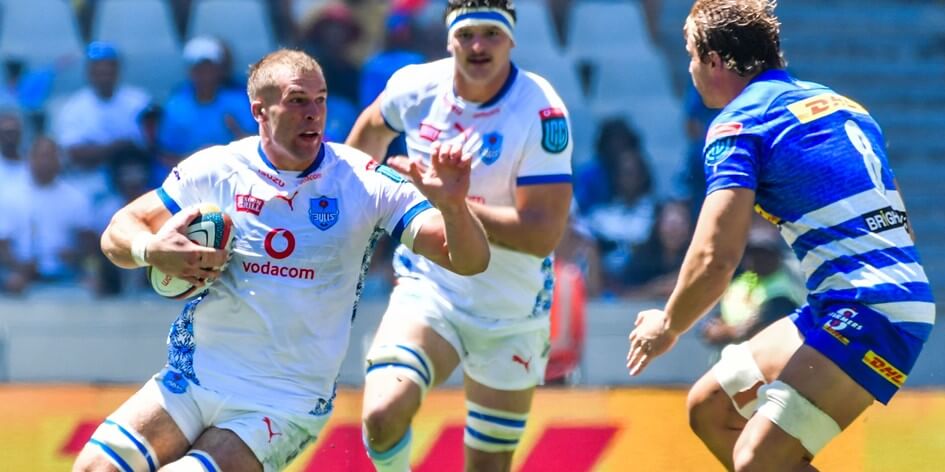
Development and the Future of the Franchise
A major strength of the Bulls lies in their development system. Through the Blue Bulls structures and the strong rugby schools in Pretoria and the wider Gauteng region, the franchise continues to produce high-level talent.
Young players regularly rise through the ranks to professional rugby, and many eventually earn Springbok selection. This pathway ensures the Bulls remain competitive while continuing to contribute to the national team’s success.
A Club Built on Culture and Community
Supporters play a crucial role in the Bulls’ identity. Matchdays at Loftus Versfeld reflect a uniquely Pretoria rugby culture, where families gather, braais are prepared before kick-off and fans proudly wear the team’s blue colours.
The atmosphere is passionate but grounded, reflecting a loyal fan base that values hard work and commitment. When the stadium is packed, it feels as though the entire city has come together to back its team.
An Enduring Force in South African Rugby
The Bulls remain a cornerstone of South African rugby. From their Currie Cup roots to Super Rugby triumphs and their modern role in the United Rugby Championship, the franchise has consistently represented strength, resilience and tradition.
For anyone seeking to understand Pretoria’s rugby culture, the journey begins at Loftus Versfeld. And to understand the Bulls themselves, all one needs to do is watch them play: direct, disciplined and proudly blue.