



The FIFA World Cup 2026 is firmly underway, and the opening weekend delivered drama, goals, and a clear statement of intent from one of the tournament’s co-hosts. For South African fans watching keenly from afar, these early results offer a fascinating window into how the competition’s Group Stage is beginning to take shape.
United States Announce Themselves in Style
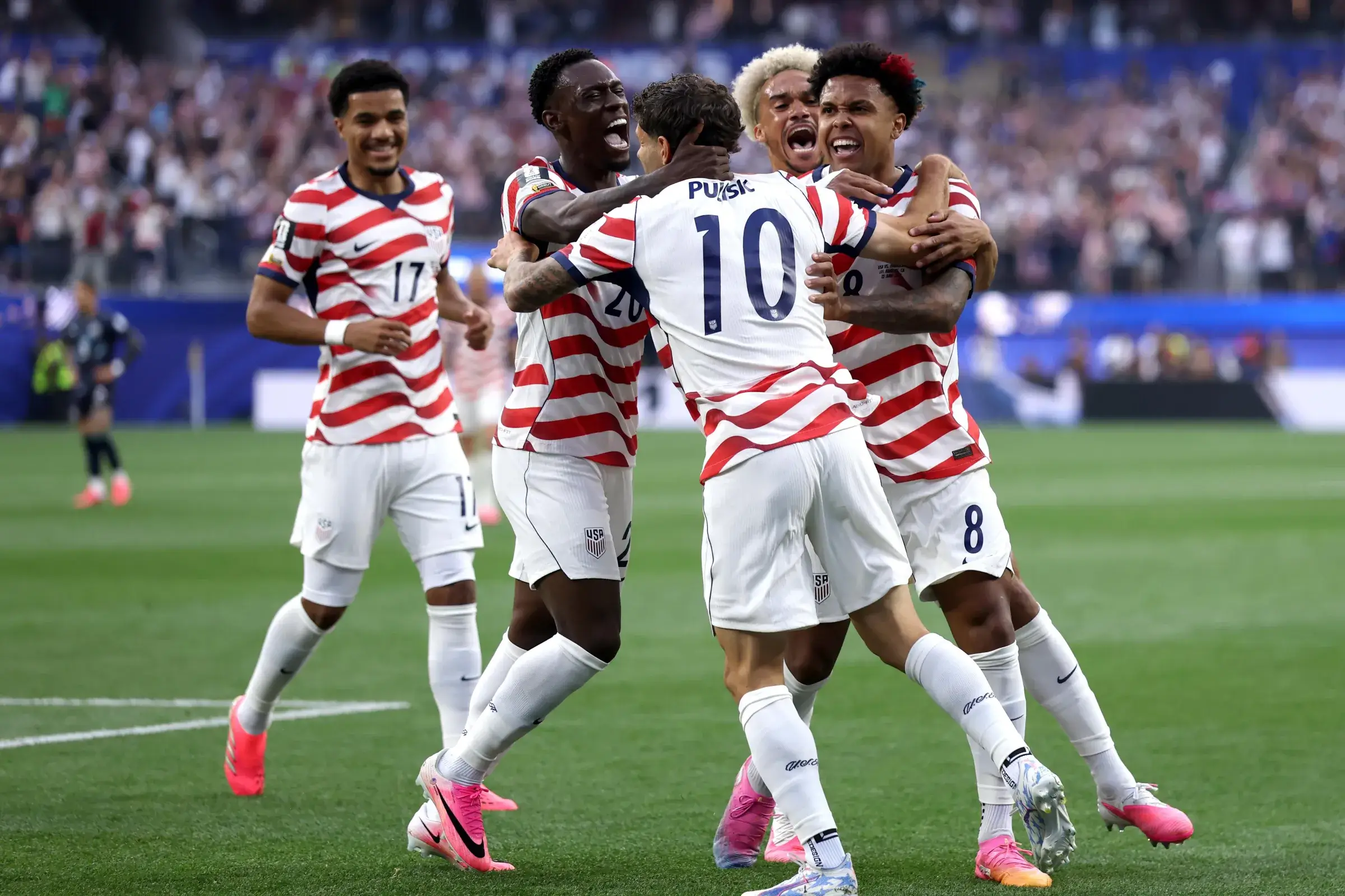
In front of a raucous home crowd at Los Angeles Stadium, the United States produced a dominant, high-tempo performance to dismantle Paraguay 4-1 on Saturday. The Americans were sharp from the first whistle, pressing aggressively and exploiting space in behind the Paraguayan defensive line with purpose and precision.
The USMNT’s forward line caused constant problems, combining quick interplay with direct running to stretch Paraguay into uncomfortable positions. The South American side struggled to build through pressure and looked disorganised when the hosts won the ball back high up the pitch. Paraguay’s consolation was a moment of individual quality in the second half, but by then the contest was effectively over as a competition.
For the United States, this is the kind of result that sets the tone. Co-hosting a World Cup carries enormous expectation, and a four-goal opening performance in front of their home supporters immediately silences early doubters. Their pressing structure and attacking fluency will give stronger opponents genuine cause for concern as the group stage progresses.
Paraguay, meanwhile, face an immediate battle to recover both their form and their confidence. They were not just beaten – they were outclassed, and the tactical gulf between the two sides was visible throughout.
Canada Hold Firm Against Resilient Bosnia
A day earlier, in Toronto, the third co-host Canada were held to a 1-1 draw by Bosnia-Herzegovina in what proved to be a tight, physical and at times frustrating encounter for the home side.
Canada started with clear intent, pressing forward and using the energy of the Toronto Stadium crowd to push their opponents back. They found the net to take the lead and looked capable of pushing for more. Bosnia, however, showed the kind of European grit and tactical discipline that has defined their football culture – staying organised, absorbing pressure and eventually capitalising on a moment of quality to level proceedings.
The draw is a result that suits nobody entirely. Canada will feel they left points behind on home soil, while Bosnia will quietly pocket the point and eye an opportunity to progress from what could be a competitive group.
From an African perspective, these early group-stage results carry indirect significance. With Bafana Bafana and fellow African nations following the competition closely, understanding how high-pressing systems and physical European sides perform is valuable tactical intelligence. African teams have historically struggled against organised European defences, and Bosnia’s resilience here is a useful reference point.
The co-hosting arrangement across the United States, Canada and Mexico adds an extraordinary atmosphere to this tournament, and South African fans will be watching both the spectacle and the football with equal enthusiasm. Bafana supporters dreaming of future tournaments can only be inspired by seeing nations of varying styles and traditions competing on the grandest stage.
The group stage is young, but the tone has been set. More results, more stories, and more drama lie ahead.