




A Club That Carries a Province
Polokwane City are one of Limpopo’s most important sporting institutions, representing the province in South Africa’s top football structures with pride and determination. Based in the city of Polokwane, the club has steadily built a reputation as a hard-working and resilient side capable of challenging bigger, wealthier opponents. While they may not always command the national spotlight, their presence adds depth, identity, and authenticity to the Premier Soccer League.
Within South African football circles, Polokwane City are widely respected for their grit and strong community ties. They embody the spirit of a provincial club fighting for recognition in a league often dominated by metropolitan giants. For many supporters in the north of the country, Rise and Shine are more than just a football team. They are a symbol of local pride and a reminder that top-flight football belongs to every region, not just the traditional power centres.
Identity and Home Ground
Founded in 2012, Polokwane City Football Club quickly established a clear identity rooted in hard work and provincial representation. The club’s colours of orange, black, and white reflect a bold and distinctive presence on the pitch, while their nickname, Rise and Shine, captures the optimism and determination that define their journey.
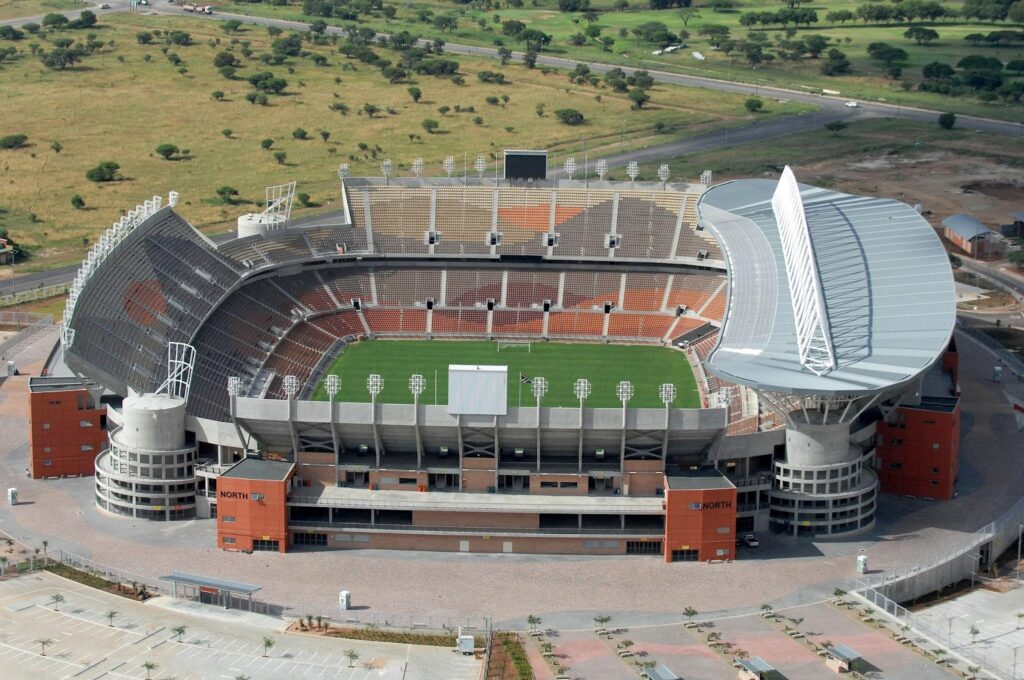
Their home matches take place at the Peter Mokaba Stadium in Polokwane, a modern venue built as part of the infrastructure legacy of the 2010 FIFA World Cup. With a capacity of around 45,000, it is one of the most impressive stadiums in the country. The scale of the ground often feels larger than the club’s modest financial resources, but that contrast forms part of its charm. When the stands fill up for big league fixtures or cup clashes, the stadium transforms into a true fortress.
Visiting teams must contend not only with the passionate local support but also with the travel demands and the conditions unique to Limpopo. The altitude, warm climate, and long journeys from coastal or Gauteng-based clubs all contribute to the challenge. For supporters, the stadium represents a home worthy of top-flight football and a stage where their province can stand tall.
From Formation to the Top Flight
Polokwane City were formed after purchasing the status of Bay United in 2012, a route commonly used in South African football to establish new professional clubs. From the outset, the objective was clear: create a stable team that could represent Limpopo consistently in the higher divisions of the game.
The early years were focused on building identity and competitiveness in the National First Division. The club assembled squads that blended experienced players with emerging local talent, gradually developing a team capable of challenging for promotion. Their eventual rise to the Premiership marked a major milestone, signalling that the province finally had a sustainable presence in elite football.
Life in the top flight has rarely been glamorous. Polokwane City quickly became known as a team willing to fight for every point. Some seasons were tense relegation battles, while others produced respectable mid-table finishes that surprised more established clubs. Relegation and promotion cycles have shaped their story, but each setback has been followed by regrouping and rebuilding rather than decline. That resilience now forms the core of their identity.
A Club Built on Progress Rather Than Trophies
Although Polokwane City are not historically associated with major silverware, their achievements reflect steady growth and competitiveness. Promotion from the National First Division remains one of the defining moments in their history, while consistent survival in the top flight has often felt as significant as winning trophies.
Cup competitions have occasionally offered opportunities for statement performances. Strong runs and unexpected victories over traditional giants have helped the club earn national respect. Their success is therefore measured not only by medals but also by stability, sustainability, and the ability to remain relevant in a demanding league.
Playing Philosophy and Approach
On the pitch, Polokwane City are typically associated with pragmatic and disciplined football. Their style prioritises defensive organisation and work rate, ensuring they remain difficult opponents even for technically superior teams. Quick transitions, direct wing play, and effective use of set pieces often form the foundation of their attacking approach.
At home, they tend to be more adventurous, pressing higher and using the width of the pitch to create chances. Away from home, the approach becomes more compact and cautious, aimed at frustrating possession-dominant opponents and capitalising on counter-attacking opportunities. The club’s culture places emphasis on commitment and discipline. Players are expected to work tirelessly for the badge, and those who fail to match that ethos rarely remain long.
Players Who Shaped the Club
Over the years, several players have played important roles in defining Polokwane City’s story. Figures such as Puleng Tlolane became fan favourites thanks to reliable goals and consistent performances during crucial seasons. Jabulani Maluleke brought experience and leadership in midfield, helping guide the team through challenging periods.
In more recent times, players like Thabang Matuludi have stood out for their consistency and energy, while Oswin Appollis has offered creativity and attacking spark. The club also continues to introduce young prospects from Limpopo, reinforcing its reputation as a platform where emerging players can develop and earn moves to larger clubs.
Rivalries and Big-Game Motivation
Polokwane City’s rivalries are shaped more by geography and pride than long-standing historical feuds. Matches against Gauteng sides often carry extra intensity, reflecting the broader narrative of province versus powerhouse. Encounters with traditional heavyweights such as Kaizer Chiefs, Orlando Pirates, and Mamelodi Sundowns are particularly significant.
When Rise and Shine manage to secure results against these clubs, especially at Peter Mokaba Stadium, the victories resonate deeply with supporters. These matches feel less like routine league fixtures and more like defining moments that reinforce the club’s standing in South African football.
Development and Community Connection
Development structures play a crucial role in Polokwane City’s long-term model. Without the financial muscle of the biggest clubs, they rely heavily on local scouting networks and youth pathways. The club often provides first-team opportunities earlier than many competitors, giving talented players from Limpopo a chance to prove themselves on the national stage.
This approach strengthens both the team and the broader football ecosystem. Several players have used Polokwane City as a stepping stone to bigger moves, highlighting the club’s importance in nurturing talent that might otherwise remain unnoticed.
Supporters and Matchday Atmosphere
Polokwane City supporters are known for their loyalty and strong local identity. Matchdays are characterised by orange shirts filling the stands, families attending together, and a steady rhythm of drums and singing. The atmosphere is less corporate and more community-driven, reflecting the provincial charm of football in Limpopo.
Fans often arrive early, greeting neighbours and building a sense of togetherness before kickoff. When the team scores, the celebrations echo around the stadium, reinforcing the feeling that this club belongs to the people who support it.
Why Polokwane City Matter
Polokwane City’s significance goes beyond results or trophies. They represent the importance of regional representation in South African football. By maintaining a top-flight presence, they give Limpopo a voice in the national game, provide opportunities for young players, and ensure that the league remains competitive and diverse.
Their story shows that professionalism and ambition are not confined to major cities. Instead, they prove that dedication, community backing, and disciplined management can sustain a club even in challenging conditions.
A Club Built on Credibility
Polokwane City may not dominate headlines every season, but they have built something equally valuable: credibility. They are organised, resilient, and proudly rooted in their province. In the broader landscape of South African football, Rise and Shine remain exactly what every league needs — a grounded, honest club that competes with heart and keeps the game connected to its communities.