



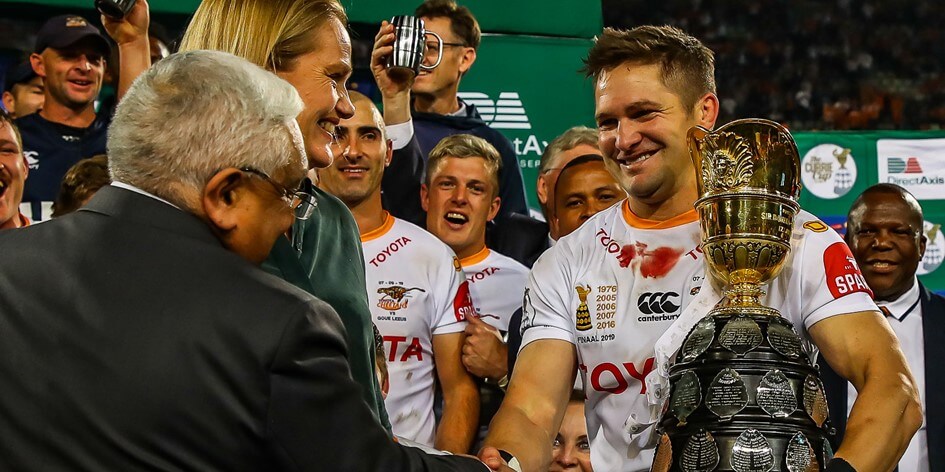
The Free State Cheetahs stand as one of South Africa’s most respected rugby institutions, representing Bloemfontein and the wider Free State province with pride, passion, and an unmistakable attacking identity. Known for their fearless style of play and commitment to developing homegrown talent, the Cheetahs have long been a vital part of the country’s rugby landscape.
Over the decades, the team has earned a reputation for producing top-class players and competing fiercely against some of South Africa’s traditional rugby giants. Whether in domestic competitions or international tournaments, the Cheetahs have consistently been a side that plays with heart and determination. In South African rugby culture, they are admired as a team that refuses to back down and often punches above its weight.
Identity of the Orange Army
The team officially competes as the Free State Cheetahs and is commonly referred to simply as “The Cheetahs.” Their roots trace back to the Free State Rugby Union, founded in 1895, although the modern Cheetahs brand emerged during the professional era of rugby.
The team’s iconic orange jersey has become one of the most recognisable kits in South African sport. Combined with white and touches of purple, the colours symbolize strong provincial pride and the identity of a team deeply connected to the Free State region. Based in Bloemfontein, the Cheetahs carry the spirit of a province known for its passionate rugby culture and proud sporting traditions.
Toyota Stadium: A Fortress in Bloemfontein
The Cheetahs play their home matches at Toyota Stadium, formerly known as Free State Stadium, located in the heart of Bloemfontein. With a capacity of around 48,000 spectators, it remains one of South Africa’s classic rugby venues.
Playing at altitude, the stadium offers unique conditions that often challenge visiting teams. The crisp winter air and hard playing surface can make matches physically demanding, while the passionate home supporters create an intimidating atmosphere. When the stands are filled with orange jerseys, Toyota Stadium transforms into a vibrant and intimidating rugby fortress.
The stadium also holds historic significance, having hosted matches during the 1995 Rugby World Cup, adding further prestige to the venue and its place in South African rugby history.

A Rich History of Free State Rugby
The story of the Cheetahs is deeply intertwined with the history of the Free State Rugby Union. From the late 19th century onward, Free State rugby developed a reputation for discipline, technical skill, and relentless work ethic.
The union enjoyed notable success during the 1970s and again in the early 2000s, when strong coaching structures and talented players helped the province challenge South Africa’s traditional rugby powerhouses.
With the arrival of professional rugby, the Cheetahs identity became the franchise representing the region in competitions such as Super Rugby and later the Pro14 and European tournaments. Despite operating with smaller budgets compared to some coastal unions, the team became known for its exciting brand of rugby and its ability to upset stronger opponents.
Their willingness to compete internationally also helped establish them as one of the more adventurous and forward-thinking rugby unions in South Africa.
Currie Cup Success and Achievements
The Cheetahs have enjoyed memorable success in South Africa’s premier domestic rugby competition, the Currie Cup. Free State lifted the famous trophy in 1976, before repeating the achievement in 2005 and again in 2007.
These victories cemented the province’s reputation as a competitive and resilient rugby union. Beyond their championship titles, the Cheetahs have also reached several Currie Cup finals over the decades, maintaining a strong presence in domestic rugby.
Internationally, the team has had competitive seasons in both Super Rugby and the Pro14 competitions, proving that they could hold their own against clubs from across the rugby world. Their continued contribution of players to the Springbok national team further highlights the strength of the Free State rugby system.
A Distinctive Playing Style
The Cheetahs have long been associated with a fast, attacking style of rugby built around tempo and skill. While many South African teams historically relied heavily on physical forward battles and tactical kicking, the Cheetahs often chose a more expansive approach.
Their game typically focuses on quick ball movement and exploiting width across the field. Skilled backs are encouraged to counterattack from deep, while mobile forwards provide support in open play.
This philosophy makes the Cheetahs one of the most entertaining teams in South African rugby. Their willingness to run the ball creates exciting matches and has helped produce some of the most dynamic backline players in the country.
Legendary Players and Modern Stars
The Cheetahs have produced several iconic rugby players who have gone on to represent the Springboks at the highest level. Among the most famous is Os du Randt, the powerful prop who became a two-time Rugby World Cup winner.
Another influential figure is Rassie Erasmus, who captained the province before becoming one of the most influential coaches and administrators in South African rugby. Scrumhalf Bolla Conradie also became a long-serving Free State stalwart and a fan favourite.
In more recent years, stars such as Frans Steyn, Juan Smith, and Willie le Roux have continued the tradition of excellence. Their success reflects the union’s ability to nurture talent rather than relying solely on high-profile signings.
Rivalries that Define the Province
Like all great rugby teams, the Cheetahs thrive on fierce rivalries. Matches against the Blue Bulls are traditionally intense battles between northern power and Free State resilience. Games against Western Province often highlight contrasting styles, with Cape flair meeting Bloemfontein’s pace and aggression.
Encounters with the Sharks have also produced memorable high-scoring clashes in the modern era, particularly during playoff races and crucial domestic fixtures.
These rivalries are not just about points on the table. They represent deep provincial pride and decades of competitive history within South African rugby.
Development: The Heart of the Cheetahs
One of the Cheetahs’ greatest strengths lies in their ability to develop players. The Free State region has a strong school rugby culture, and many young players progress through local systems before stepping into professional rugby.
Close links with universities and Varsity Cup programs provide additional pathways for emerging talent. As a result, Bloemfontein has become a breeding ground for technically skilled and mentally tough rugby players.
The union’s philosophy has always been simple: give young players opportunities and allow them to grow. This approach has ensured a steady pipeline of talent for both the Cheetahs and the national team.
A Proud Rugby Community
Supporters of the Cheetahs are known for their loyalty and deep understanding of the game. Matchdays in Bloemfontein often feature families dressed in orange, traditional braais outside the stadium, and passionate discussions about tactics and players.
There is a unique sense of community surrounding Free State rugby. Even though Toyota Stadium is large, the atmosphere often feels intimate and authentic. Visiting teams quickly learn that Bloemfontein is a place where rugby truly matters.
The Enduring Importance of the Cheetahs
The Free State Cheetahs remain an essential part of South African rugby. They represent the strength of provincial pride and the idea that dedication and development can rival even the biggest budgets.
For generations, they have produced Springboks, delivered memorable matches, and ensured that Bloemfontein remains firmly on the rugby map.
Orange jerseys, fearless rugby, and the spirit of the Free State — that is the enduring identity of the Cheetahs.